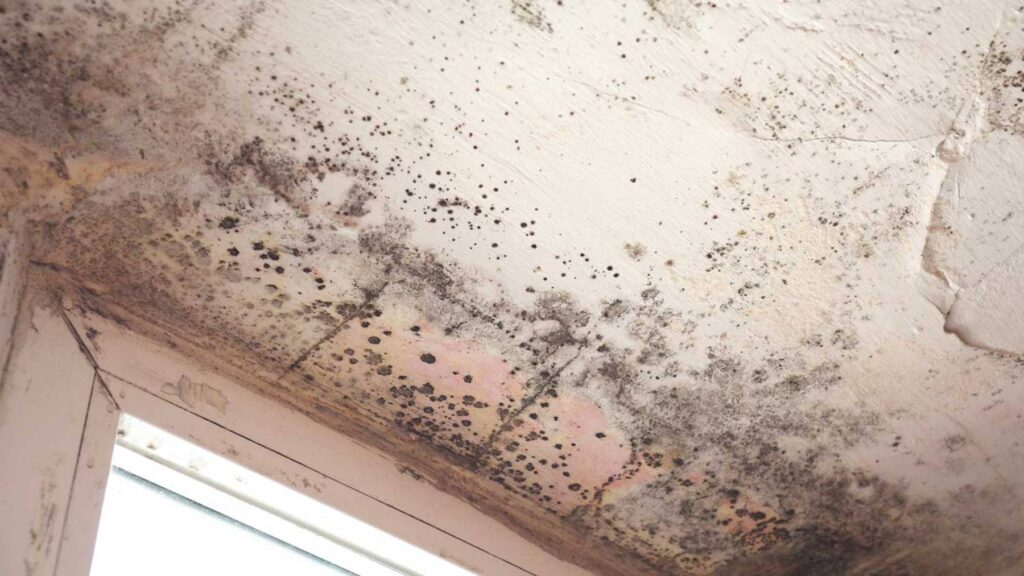
Mold testing gives buyers and homeowners across Simcoe County a clearer picture of what is actually growing behind walls, under flooring, or inside a damp basement. With over 400,000 types of mold in existence, and only a small share of them considered toxic, knowing which conditions are present in a home helps separate a minor cleanup job from a larger structural or health concern. Insight Inspection Services offers mold testing alongside standard home and condo inspections throughout Barrie, Angus, Wasaga Beach, Collingwood, Muskoka, and the wider York Region and GTA area.
Why Mold Testing Matters Before Closing
A home can look clean and still have a mold problem developing out of sight. Basements, crawl spaces, and areas around plumbing fixtures are common trouble spots, especially in older homes throughout Simcoe County that have seen decades of freeze thaw cycles and seasonal humidity swings. Mold testing during the inspection process gives buyers documented evidence of air quality and surface conditions before they commit to a purchase, which can support negotiations on repairs or price adjustments. For sellers, addressing a mold issue ahead of listing avoids the surprise of a buyer’s inspector flagging it later in the transaction.
How Mold Testing Works
During the appointment, samples are taken from the air and from surfaces where visible growth or moisture staining is suspected. These samples are sent to a lab for analysis, and the results identify the type and concentration of mold spores present. This process works alongside a broader home inspection rather than replacing it, since the inspector also checks for the moisture sources, ventilation gaps, and structural conditions that allow mold to take hold in the first place. Addressing the underlying moisture problem is just as important as identifying the mold itself, since new growth will simply return if the source is never fixed.
Common Mold Testing Trouble Spots in Ontario Homes
Bathrooms, kitchens, and basements are the most frequent locations flagged during testing, largely due to daily activities like showering and cooking that add moisture to the air without adequate ventilation. Health Canada’s own guidance on addressing moisture and mould indoors notes that mould will typically grow indoors if moisture is present, and that everyday activities without proper ventilation are a common cause of that moisture. Homes with finished basements, older HVAC systems, or a history of roof leaks in the Barrie and Collingwood area are particularly worth a closer look, since trapped moisture in these spaces can go unnoticed for months before symptoms appear on a wall or ceiling.
What Happens After Mold Testing
If mold testing comes back positive, the next step depends on the extent of the growth. Small, isolated patches can often be cleaned by a homeowner following proper safety precautions, while larger areas typically call for a professional remediation service. Whatever the scale, the underlying moisture source needs to be identified and corrected, whether that means improving bathroom ventilation, repairing a roof leak, or waterproofing a basement wall. Buyers who receive a mold testing report as part of their home inspection have a clear, documented starting point for these conversations with sellers or contractors.
Who Should Consider Mold Testing
Anyone purchasing an older home, a property with a finished basement, or a house with visible water stains or a musty smell should consider adding this service to their inspection. Homeowners who have recently dealt with a leak, flood, or extended humidity issue also benefit from testing to confirm the problem has been fully resolved. Insight Inspection Services makes this service available as part of its residential and condo inspection packages, giving buyers and homeowners throughout Simcoe County and York Region the information they need to make confident decisions.
Frequently Asked Questions
How long does the process take? Sample collection typically adds a short amount of time to a standard inspection appointment, though lab analysis and the final report may take a few additional business days.
Is testing necessary if I do not see any visible mold? Yes. Mold can grow behind walls, under flooring, or above ceiling tiles where it is not visible, so testing can catch problems that a visual inspection alone would miss.
Does the report tell me how to fix the problem? The report identifies the type and concentration of mold present, which helps determine whether a homeowner can safely clean it themselves or whether a professional remediation service is needed.
Can mold come back after testing and cleanup? Yes, if the underlying moisture source is not corrected. Testing and cleanup address the mold itself, but fixing ventilation, leaks, or humidity issues is what prevents it from returning.
You’re not just buying an inspection. You’re buying peace of mind. Schedule your inspection today and add this service for a fuller picture of your next home.
Insight Inspection Services proudly provides home inspections, mold and air testing, thermal imaging, and more throughout Simcoe County, Barrie, Angus, Wasaga Beach, Collingwood, Muskoka, York Region, GTA, Georgina, Toronto, and Central and Southern Ontario.